What is the Meaning of Masha Allah

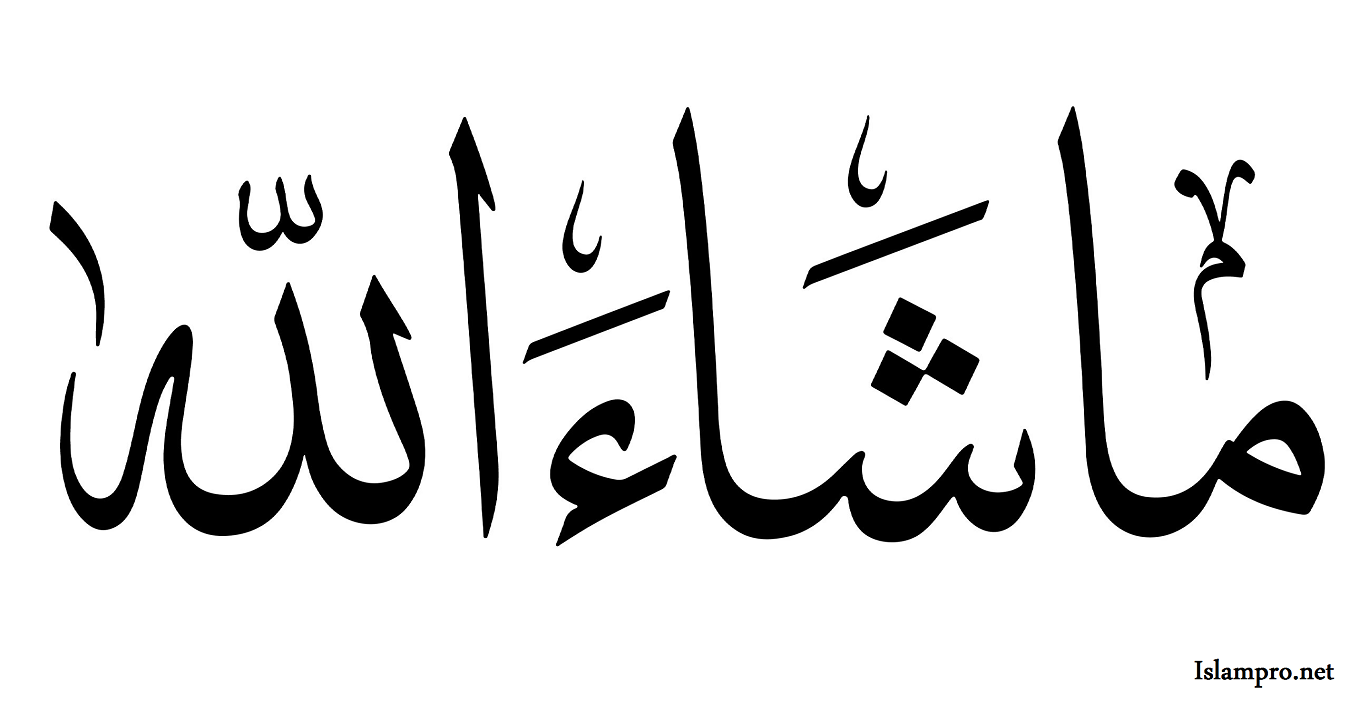
Masha Allah” (ما شاء الله) is an Arabic phrase that translates to “As God has willed” or “What Allah has willed” in English. It is often used by Muslims and Arabic speakers as an expression of admiration, gratitude, or appreciation for something good or beautiful, while acknowledging that all blessings come from Allah.

Common Uses:

  1. To Show Admiration:
    • When someone sees something they admire, like beauty, success, or a good deed, they say “Masha Allah” to acknowledge that it is a blessing from God.
    • Example: “You have a beautiful home, Masha Allah!”
  2. To Avoid Envy or the Evil Eye:
    • Saying “Masha Allah” is believed to protect against the evil eye (negative energy caused by jealousy or envy) by attributing the success or beauty to Allah.
    • Example: “Your child is so intelligent, Masha Allah!”
  3. To Express Gratitude:
    • It can also be used to thank Allah indirectly for His blessings.
    • Example: “Masha Allah, everything went well with the project.”

It is a deeply respectful and spiritual phrase that conveys humility and recognition of Allah’s will in all things.
What is Hajj In Islam

What is Hajj

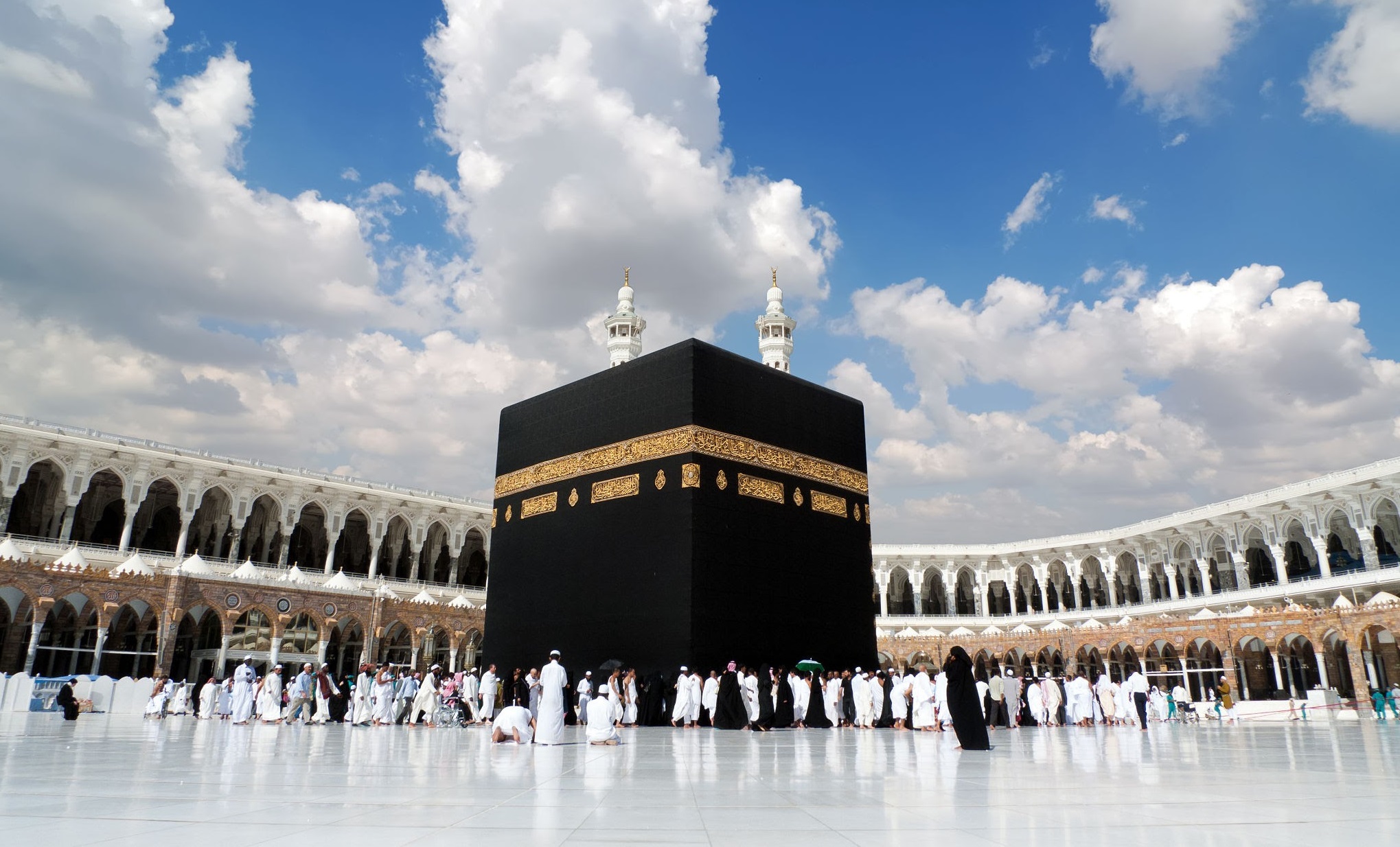
Hajj is one of the five pillars of Islam and represents a mandatory religious pilgrimage to the holy city of Mecca in Saudi Arabia. It is a sacred act of worship that every adult Muslim, who is physically and financially able, is required to perform at least once in their lifetime.

Significance of Hajj

Hajj holds profound spiritual and communal importance in Islam. It is viewed as an opportunity for Muslims to cleanse their sins, renew their faith, and draw closer to Allah. It also emphasizes equality and unity, as all pilgrims wear simple white garments (ihram), erasing distinctions of wealth, status, and nationality.

When and Where?

Hajj is performed annually during the Islamic month of Dhul-Hijjah, specifically from the 8th to the 12th of the month. The focal point of the pilgrimage is the Kaaba, located in the Masjid al-Haram (the Grand Mosque) in Mecca.

Rituals of Hajj

  1. Ihram: Pilgrims enter a state of spiritual purity, wearing special white garments and avoiding certain actions (e.g., arguing, grooming, or engaging in sinful behavior).
  2. Tawaf: Circling the Kaaba seven times in a counter-clockwise direction.
  3. Sa’i: Walking seven times between the hills of Safa and Marwah, commemorating Hagar’s search for water for her son, Ismail.
  4. Arafat: Standing in prayer at Mount Arafat on the 9th of Dhul-Hijjah, which is the pinnacle of Hajj and symbolizes the Day of Judgment.
  5. Muzdalifah: Collecting pebbles for the next ritual and spending the night in prayer and reflection.
  6. Ramy al-Jamarat: Throwing stones at three pillars in Mina, symbolizing the rejection of Satan’s temptations.
  7. Qurbani: Sacrificing an animal (e.g., sheep or goat) to honor Prophet Ibrahim’s willingness to sacrifice his son in obedience to Allah.
  8. Tawaf al-Ifadah: Another circumambulation of the Kaaba, symbolizing deeper submission to Allah.

Outcomes and Spiritual Rewards

After completing the Hajj, Muslims are often honored with the title of “Hajji” and are believed to have their sins forgiven, achieving a spiritual rebirth. It also serves to strengthen the global Muslim community (ummah) through shared worship and experience.

What is Hadith in Islam

The term Hadith refers to the sayings, actions, and approvals of the Prophet Muhammad (peace be upon him). It is one of the primary sources of Islamic teachings and law, second only to the Quran.

Hadiths are classified based on their authenticity, chain of transmission, and content. They are broadly categorized into two main components.

Components of a Hadith

  1. Matn (Text) : The text of the hadith itself, which contains the actual message or teaching.
  2. Isnad (Chain of Narrators) : The chain of narrators who transmitted the hadith. This is important for verifying its authenticity.

Types of Hadith

Hadiths are categorized based on their authenticity:

  1. Sahih (Authentic): Strong and reliable, with a trustworthy chain of narrators.
  2. Hasan (Good): Slightly less reliable than Sahih but still acceptable.
  3. Da’if (Weak): Questionable reliability due to issues in the chain or content.
  4. Mawdu (Fabricated): Not a genuine saying or action of the Prophet.

Most Famous Hadith Collections

The six most recognized collections of Hadith in Sunni Muslims are known as the Kutub al-Sittah (The Six Books) also known as Sihah al-Sitta (الصحاح الستة):

  1. Sahih al-Bukhari: Compiled by Imam al-Bukhari, regarded as the most authentic collection.
  2. Sahih Muslim: Compiled by Imam Muslim, also highly authentic.
  3. Sunan Abu Dawood: A focus on jurisprudential hadith.
  4. Sunan al-Tirmidhi: Includes classifications of authenticity and commentary.
  5. Sunan al-Nasa’i: Known for detailed attention to authenticity.
  6. Sunan Ibn Majah: The last of the six recognized books.


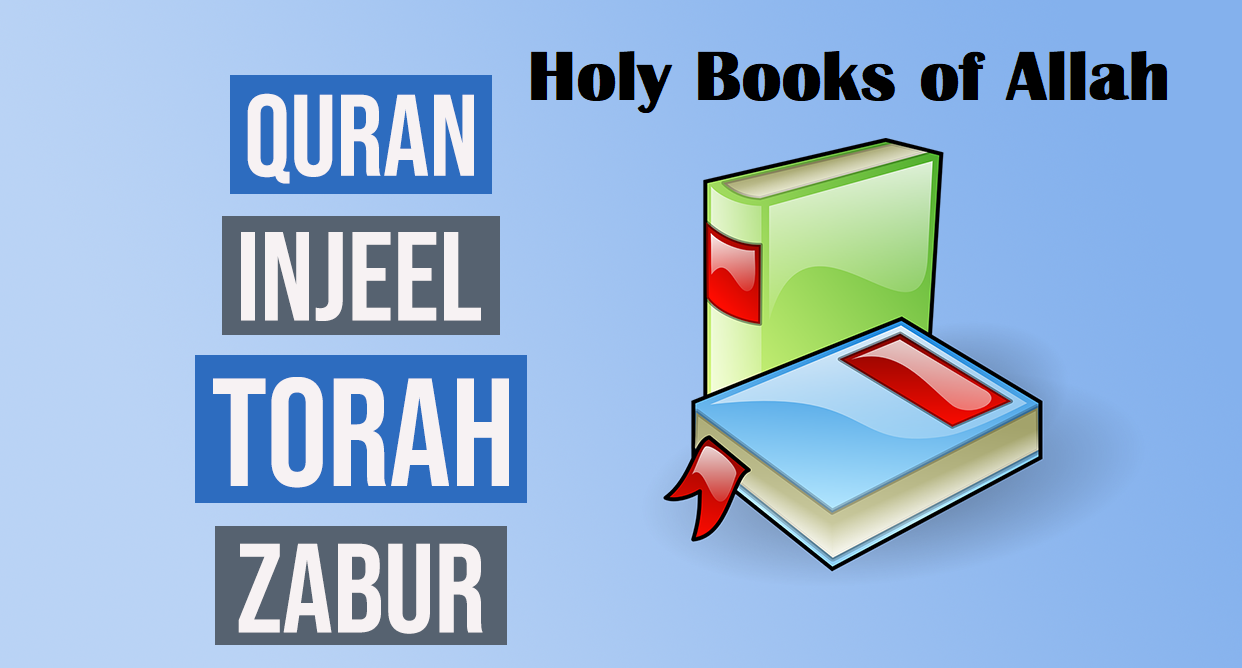
The 4 Holy Books of Prophets | Revealed Books of Allah

There are 4 major books revealed by Allah to different prophets throughout history. These holy books are considered sacred scriptures and are believed to contain divine guidance for humanity. The four holy books, namely the Tawrat, Zabur, Injeel, and Quran, are considered the books of Allah.

The 4 Books of Allah

1. Tawrat (Torah)

The Tawrat, a sacred scripture, was revealed by Allah to Prophet Moses (peace be upon him) as a divine guidance for the Israelites. It contains, and stories that form the foundation of Jewish faith and practice.

2. Zabur (Psalms)

The Zabur, a divine book filled with poetic verses and prayers, was revealed to Prophet David (peace be upon him) as a source of inspiration and guidance.

3. Injeel (Gospel)

The Injeel, a holy book was revealed to Prophet Jesus (peace be upon him) as a divine message for humanity.

4. Quran

The Quran, the final revelation, Quran was revealed to Prophet Muhammad (peace be upon him) as a divine guidance for all of humanity.

The original versions of the Tawrat, Zabur, and Injeel have been corrupted over time. The Quran, however, is believed to be preserved in its original form.